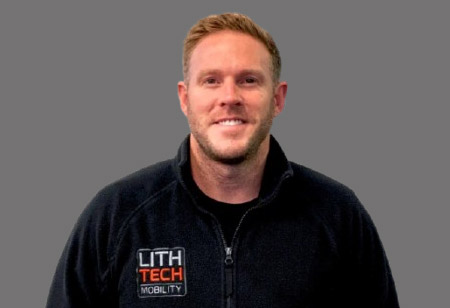



When Lith-Tech Mobility launched in 2017, the folding electric wheelchair market looked very different to how it does today, with only a couple of firms being able to offer these types of modern products. A vast majority of users were still using old fashioned mobility scooters and heavy, clunky, nhs style powerchairs. It was the perfect time for Lith-Tech as we saw an opportunity to do things differently, with the end result being able to give users across the UK a more portable and practical solution and ultimately give that individual more freedom.
Our view was simple. People wanted mobility solutions that were lighter, smarter, more portable, and better suited to real life. They did not just need a wheelchair. They needed independence, practicality, and expert guidance to make the right choice. That belief has shaped the business ever since and helped position Lith-Tech as the UK’s most recognisable specialist in folding electric wheelchairs.
Today, with more than 5,000 customers served, a broad specialist range of products, and recognition as the Top Folding Electric Wheelchair Supplier in Europe 2025, we remain focused on the same mission. Helping people find the right mobility solution with the right support behind it.
A specialist approach in a market that needed one
Lith-Tech was built on the belief that mobility customers deserve more than a one-size-fits-all experience.
Many retailers offer only a limited range of electric wheelchairs. This can make it difficult for customers with different lifestyles, physical needs, and medical conditions to find the best solution. A chair that works well for one person may be completely wrong for another.
That is why our model has always been specialist-led. We focus solely on folding electric wheelchairs, and that specialism allows us to guide customers with far more confidence and accuracy. Rather than simply just selling a customer a chair, we take the time to understand how each customer will actually use their chair. This includes understanding how their disability affects them, their lifestyle, home setup, travel needs, physical requirements, and long-term goals.
That consultative process is central to what we do. In our experience, what customers initially think they need is not always what will serve them best day to day. By asking the right questions and drawing on years of specialist knowledge, we help them avoid costly mistakes and make informed choices from the outset.
Combining product knowledge with genuine customer care
One of the reasons Lith-Tech has grown so strongly is because we understand that trust sits at the heart of every buying decision in this category.
For many customers, purchasing an electric wheelchair is a significant decision that affects their quality of life. That is why our role goes beyond product supply. We see it as our responsibility to educate, advise, and support our customers throughout the process.
Over the years, we have built a reputation for straightforward, honest guidance. Our customers know they can speak to a real specialist who understands their needs, the products, the technical detail, and the real-world use cases behind them. This includes everything from suitability and portability to comfort, accessibility, and aftercare.
"Our soul goal as a company is to always fully understand our customers needs, and sometimes even better than they understand their own so we can best fit them.
By the time we are finished with them wether it be an over the phone consultation or in person demonstration we have absolutely no doubt on what product to recommend them, and not only that, also how the chair is to be set up so the user gets the most from their purchase, in turn making their lives easier.
When dealing with customers disabilities and their individual needs, one thing we've learnt over the last 10 years is it's never a one size/one chair fits all. That's the reason why we have such a huge range of different style folding Powerchairs and accessories and also why we are the UK's go to specialist meaning anyone that makes an enquiry, always gets fitted."
This customer-first approach has helped us build strong loyalty, with many customers returning for their second, third, and even fourth LITH-TECH chair. For us, that repeat trust is one of the clearest signs that we are delivering real value.
Education, service, and doing things the right way
Education has also been a major part of our growth. The mobility industry can be a confusing place for first time buyers and is also sadly highly unregulated with a lot of bad actors lying about their chairs specs and over hyping and misleading buyers who haven't properly done their research. Products may appear similar on the surface, but like with a mountain bike or even a car which can fluctuate hugely in price depending on what features or spec they have, it’s no different with electric wheelchairs. Just the cost of our motors alone is the cost price of what a cheap electric wheelchair costs to produce.
That is why we have invested heavily in educational content, particularly through our youtube platform and video. By helping customers understand the market, common mistakes, and the factors that really matter when choosing a folding electric wheelchair, we in turn help them make better decisions with greater confidence.
However, expertise means little without strong delivery behind it. As Lith-Tech has grown, we have continued to invest in stock, spare parts, infrastructure, and internal training to ensure the customer experience does not fall short after the sale. In mobility, delays can have a serious impact on daily life, so our focus is on resolving issues quickly and keeping customers moving.
Raising the standard for mobility
Lith-Tech began as a small founder-led business and has grown through a consistent focus on product quality, reinvestment, customer service, and market understanding. As we continue to expand, our focus remains the same. Grow access without diluting the specialist model that made the company successful in the first place.
That means maintaining the Lith-Tech way of doing things. Knowledgeable consultation, tailored recommendations, strong aftercare, and a genuine commitment to helping people make the right choice.
The future of mobility is not just about better products. It is about better experiences, better advice, and better support. At Lith-Tech Mobility, we believe customers should be able to expect all three, also as the market evolves, we are proud to be a pioneer helping raise the standards for folding electric wheelchairs in the UK through specialist knowledge, education, innovation, and service that puts the customer first.
Our view was simple. People wanted mobility solutions that were lighter, smarter, more portable, and better suited to real life. They did not just need a wheelchair. They needed independence, practicality, and expert guidance to make the right choice. That belief has shaped the business ever since and helped position Lith-Tech as the UK’s most recognisable specialist in folding electric wheelchairs.
Today, with more than 5,000 customers served, a broad specialist range of products, and recognition as the Top Folding Electric Wheelchair Supplier in Europe 2025, we remain focused on the same mission. Helping people find the right mobility solution with the right support behind it.
A specialist approach in a market that needed one
Lith-Tech was built on the belief that mobility customers deserve more than a one-size-fits-all experience.
Many retailers offer only a limited range of electric wheelchairs. This can make it difficult for customers with different lifestyles, physical needs, and medical conditions to find the best solution. A chair that works well for one person may be completely wrong for another.
That is why our model has always been specialist-led. We focus solely on folding electric wheelchairs, and that specialism allows us to guide customers with far more confidence and accuracy. Rather than simply just selling a customer a chair, we take the time to understand how each customer will actually use their chair. This includes understanding how their disability affects them, their lifestyle, home setup, travel needs, physical requirements, and long-term goals.
That consultative process is central to what we do. In our experience, what customers initially think they need is not always what will serve them best day to day. By asking the right questions and drawing on years of specialist knowledge, we help them avoid costly mistakes and make informed choices from the outset.
Combining product knowledge with genuine customer care
One of the reasons Lith-Tech has grown so strongly is because we understand that trust sits at the heart of every buying decision in this category.
For many customers, purchasing an electric wheelchair is a significant decision that affects their quality of life. That is why our role goes beyond product supply. We see it as our responsibility to educate, advise, and support our customers throughout the process.
Over the years, we have built a reputation for straightforward, honest guidance. Our customers know they can speak to a real specialist who understands their needs, the products, the technical detail, and the real-world use cases behind them. This includes everything from suitability and portability to comfort, accessibility, and aftercare.
"Our soul goal as a company is to always fully understand our customers needs, and sometimes even better than they understand their own so we can best fit them.
By the time we are finished with them wether it be an over the phone consultation or in person demonstration we have absolutely no doubt on what product to recommend them, and not only that, also how the chair is to be set up so the user gets the most from their purchase, in turn making their lives easier.
When dealing with customers disabilities and their individual needs, one thing we've learnt over the last 10 years is it's never a one size/one chair fits all. That's the reason why we have such a huge range of different style folding Powerchairs and accessories and also why we are the UK's go to specialist meaning anyone that makes an enquiry, always gets fitted."
This customer-first approach has helped us build strong loyalty, with many customers returning for their second, third, and even fourth LITH-TECH chair. For us, that repeat trust is one of the clearest signs that we are delivering real value.
Education, service, and doing things the right way
Education has also been a major part of our growth. The mobility industry can be a confusing place for first time buyers and is also sadly highly unregulated with a lot of bad actors lying about their chairs specs and over hyping and misleading buyers who haven't properly done their research. Products may appear similar on the surface, but like with a mountain bike or even a car which can fluctuate hugely in price depending on what features or spec they have, it’s no different with electric wheelchairs. Just the cost of our motors alone is the cost price of what a cheap electric wheelchair costs to produce.
That is why we have invested heavily in educational content, particularly through our youtube platform and video. By helping customers understand the market, common mistakes, and the factors that really matter when choosing a folding electric wheelchair, we in turn help them make better decisions with greater confidence.
However, expertise means little without strong delivery behind it. As Lith-Tech has grown, we have continued to invest in stock, spare parts, infrastructure, and internal training to ensure the customer experience does not fall short after the sale. In mobility, delays can have a serious impact on daily life, so our focus is on resolving issues quickly and keeping customers moving.
Raising the standard for mobility
Lith-Tech began as a small founder-led business and has grown through a consistent focus on product quality, reinvestment, customer service, and market understanding. As we continue to expand, our focus remains the same. Grow access without diluting the specialist model that made the company successful in the first place.
That means maintaining the Lith-Tech way of doing things. Knowledgeable consultation, tailored recommendations, strong aftercare, and a genuine commitment to helping people make the right choice.
The future of mobility is not just about better products. It is about better experiences, better advice, and better support. At Lith-Tech Mobility, we believe customers should be able to expect all three, also as the market evolves, we are proud to be a pioneer helping raise the standards for folding electric wheelchairs in the UK through specialist knowledge, education, innovation, and service that puts the customer first.